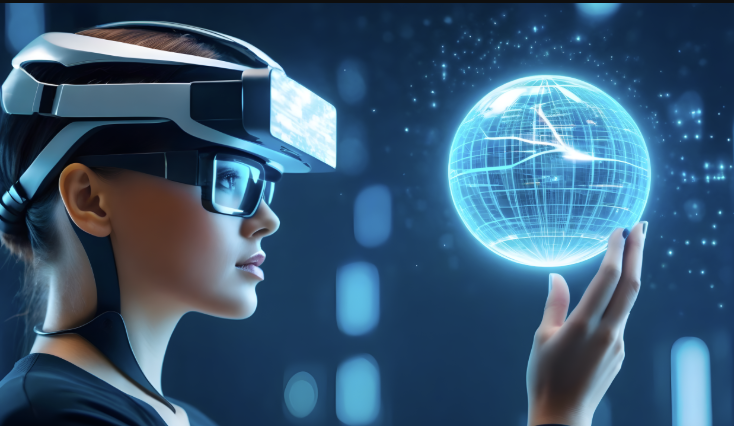
Immersive technologies are fundamentally altering the landscape of digital interaction. By leveraging virtual and augmented reality, these innovations create environments that enhance sensory engagement and foster meaningful connections. As sectors like education and healthcare adopt these technologies, they raise critical questions about their impact on traditional interaction models. What implications do these shifts hold for social dynamics in mixed reality spaces? The answers may redefine user experiences in ways not previously imagined.
The Rise of Immersive Technologies in Digital Interaction
As the digital landscape continues to evolve, immersive technologies have emerged as a transformative force in the realm of digital interaction.
These innovations foster gamified experiences that captivate users, enhancing sensory engagement through dynamic visuals and interactivity.
How Virtual and Augmented Reality Are Changing Education?
Immersive technologies, particularly virtual and augmented reality (VR and AR), are revolutionizing the educational landscape by transforming traditional teaching methods into interactive and experiential learning opportunities.
Virtual classrooms enable students to engage in dynamic environments, while augmented simulations enhance understanding of complex subjects.
This shift fosters creativity and critical thinking, offering a more liberated approach to education that empowers learners to explore and discover knowledge actively.
Transforming Healthcare With Immersive Experiences
Numerous healthcare institutions are increasingly adopting immersive experiences to enhance patient care and medical training.
By utilizing patient simulations, these technologies foster realistic scenarios for practitioners, allowing them to hone their skills in safe settings.
Additionally, immersive therapeutic environments provide patients with stress relief and pain management, significantly improving their overall experience and outcomes, thus transforming the landscape of healthcare delivery.
See also: How to Strengthen Network Security in Organizations
The Future of Social Interactions in Mixed Reality Spaces
While the evolution of technology continues to reshape communication, mixed reality spaces promise to redefine social interactions in profound ways.
These environments foster deep social connections, allowing individuals to engage in immersive storytelling within virtual communities.
As digital relationships flourish, the boundaries of physical presence dissolve, paving the way for authentic experiences that enhance interaction and camaraderie, ultimately transforming how people relate in a digital age.
Conclusion
As immersive technologies continue to evolve, their impact on digital interaction becomes increasingly profound. A striking statistic reveals that 75% of educators believe virtual reality can enhance student engagement, painting a vivid picture of classrooms where learners are transported into historical events or scientific explorations. This transformation not only enriches educational experiences but also fosters genuine connections in healthcare and social realms, heralding a future where immersive experiences redefine how we interact with the world and each other.